UAE Wedding Traditions Explained for Expats
Stepping into a UAE wedding as an expat can feel like entering a vibrant, beautifully orchestrated world where ancient customs ...


Stepping into a UAE wedding as an expat can feel like entering a vibrant, beautifully orchestrated world where ancient customs meet modern celebration. From the hypnotic rhythms of the zaffa to the intricate patterns of henna glowing on a bride’s hands, UAE wedding traditions offer a fascinating window into Emirati culture. Whether you’ve received a golden invitation or are simply curious about Emirati wedding customs, this guide will walk you through everything you need to know — without the overwhelm.
Understanding Emirati Wedding Customs in Modern Dubai
Emirati wedding customs are deeply rooted in Islamic values, Bedouin heritage, and generations of family tradition. Unlike many Western weddings that last a single day, a traditional Emirati wedding can stretch across several weeks of carefully planned events. Family approval remains at the heart of everything. In fact, the journey often begins long before the big day with formal meetings between the two families.
Today’s weddings in Dubai and Abu Dhabi beautifully balance heritage with contemporary touches. While you might see designer gowns and luxury venues, the core values — respect, generosity, and community — remain unchanged. For expats, recognizing these layers helps transform an invitation from a nervous social obligation into a genuine cultural experience.
The Role of Family and Community
In Emirati culture, marriage is not just a union between two people but between two families. Parents and elders play an active role from the very beginning. This collective approach often surprises expats who are used to more independent decision-making. The emphasis on family harmony creates a support system that extends far beyond the wedding day itself.
Henna Night Traditions UAE: An Unforgettable Female Celebration
One of the most enchanting parts of UAE wedding traditions is the henna night, locally known as Laylat Al Henna. This women-only event usually takes place one or two nights before the main wedding and is filled with laughter, music, and incredible artistry.
The bride sits like royalty on a specially decorated chair while professional henna artists transform her hands and feet into living works of art. The patterns are not merely decorative — they carry blessings and hopes for a happy marriage. Guests also get smaller henna designs as a symbol of shared joy.
Expect vibrant colors, traditional Emirati sweets, Arabic coffee (gahwa), and plenty of dancing. Many henna nights now feature famous singers and DJs who blend Khaliji music with contemporary beats. For female expats lucky enough to attend, this is often the highlight of the entire wedding experience. The atmosphere is electric, supportive, and wonderfully inclusive once you relax into it.
Expat Guide to Emirati Weddings: What Actually Happens
Receiving your first Emirati wedding invitation can raise many questions. Who sits where? What should you wear? Is it appropriate to take photos? These are completely normal concerns.
Most large weddings in the UAE are divided into separate celebrations for men and women. This gender separation is a fundamental aspect of traditional Emirati wedding customs and should be respected. The women’s side is typically far more extravagant in terms of decoration, fashion, and entertainment.
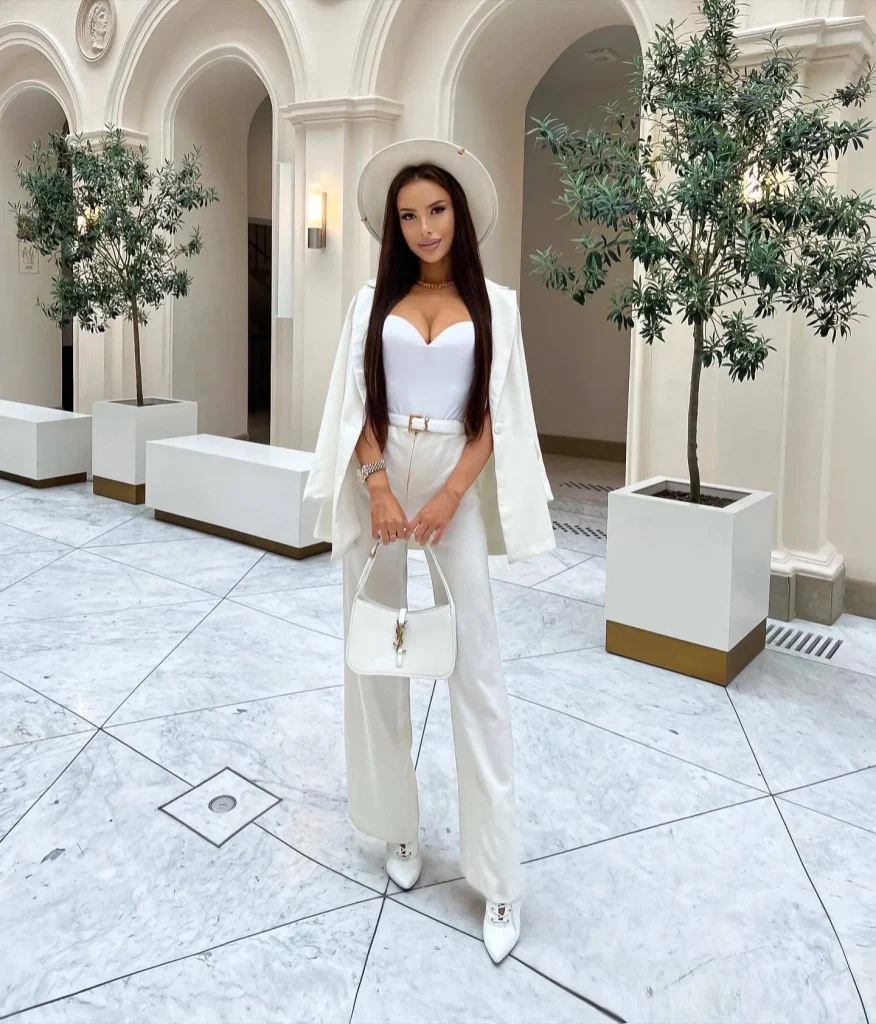
Dress codes are glamorous. Women usually wear floor-length evening gowns with intricate embellishments. Modest yet luxurious is the key. Bright colors, statement jewelry, and elegant heels are all welcome. Men traditionally wear a kandura, though dark formal suits have also become acceptable at many contemporary celebrations.
Timing matters too. Weddings often begin late in the evening and can continue until the early hours of the morning. Don’t expect dinner to be served before 10pm — this is completely normal in Dubai Arabic weddings.
Muslim Wedding Explained Dubai: From Proposal to Nikah
The foundation of every Emirati marriage is the Nikah — the Islamic marriage contract. This sacred ceremony is usually held at a mosque or family home with an Islamic judge (qadi) present. The bride doesn’t always attend in person; she may be represented by her male guardian (usually her father or brother).
During the Nikah, both parties consent to the marriage in front of witnesses. The groom presents the bride with a mahr — a meaningful gift that becomes her personal property. In Dubai, this can range from gold jewelry to significant financial gifts, depending on family tradition.
After the Nikah comes the real party. This is where traditional UAE bridal rituals truly shine and where guests get to experience the full spectacle of Dubai Arabic weddings.
The Dramatic Zaffa Procession
The zaffa is impossible to forget. Drummers, bagpipers, and traditionally dressed dancers lead the groom to the stage in a joyful, rhythmic procession. The energy is contagious. Female guests often respond with high-pitched ululations (known as zaghrouta) that echo through the ballroom — a sound that gives many expats goosebumps the first time they hear it.
Traditional UAE Bridal Rituals That Span Generations

Behind the glamour lies a series of meaningful traditional UAE bridal rituals that prepare the bride for her new life. Many families still observe the “laylat al ghumra” or “night of the perfume,” where the bride is anointed with fragrant oils and traditional scents.
The bridal hammam is another important ritual. The bride visits a traditional bath where she is pampered with natural scrubs, oils, and treatments. This cleansing ceremony symbolizes purity and renewal before entering married life.
Perhaps most striking is the sheer quantity of gold jewelry the bride typically receives. Emirati brides often wear multiple sets of 22-carat gold on their wedding day — necklaces, bracelets, earrings, and headpieces that can weigh several kilograms. This isn’t simply decoration; it represents security and the groom’s commitment to care for his wife.
The Wedding Feast and Emirati Hospitality
Food plays a central role in UAE wedding traditions. Expect mountains of fragrant lamb machboos, aromatic rice dishes, and an impressive array of Arabic desserts. The hospitality is legendary — guests are encouraged to eat, enjoy, and celebrate without restraint.
Modern Dubai Arabic Weddings: Where Tradition Meets Luxury
Today’s Dubai Arabic weddings are dazzling productions. Venues like Atlantis The Palm, Madinat Jumeirah, or private desert camps create spectacular settings. Drones capture fireworks displays above the Burj Khalifa while ice sculptures melt under desert stars.
Yet even with these modern elements, core Emirati wedding customs remain respected. The separation of men and women might happen in different ballrooms of the same hotel. The henna night traditions UAE are still observed, sometimes with famous Arab pop stars performing. The respect for Islamic values sits comfortably alongside five-star luxury.
Attending Your First Emirati Wedding: Practical Tips for Expats
Show genuine interest. Ask respectful questions about the traditions you’re witnessing. Most Emirati families are proud to share their culture and will appreciate your curiosity.
Arrive on time but don’t expect things to start when the invitation says. Socializing and waiting for everyone to gather is part of the experience. Bring a small gift — elegant sweets, high-quality dates, or a beautiful scented candle are all thoughtful choices.
Most importantly, relax and absorb the atmosphere. You’re not expected to know every custom. Your respectful presence and open attitude matter far more than perfect protocol.
UAE wedding traditions offer something increasingly rare in our fast-paced world — a deep sense of continuity, community, and celebration. By understanding the meaning behind the henna patterns, the significance of the Nikah, and the joy of the zaffa, you transform from an outsider into someone who can truly appreciate one of the most beautiful expressions of Emirati culture.
The next time you find yourself at a Dubai Arabic wedding, remember that you’re not just attending a party. You’re witnessing living heritage — colorful, emotional, generous, and deeply meaningful. And that, perhaps, is the greatest gift these celebrations offer to those of us lucky enough to experience them.